Top 7 Signs Your Pest Control Is Wearing Off
Understanding Pest Control Longevity
Pest control isn’t a “set and forget” solution, despite what many Brisbane homeowners might hope. When you’re wondering “how long does pest control last,” the answer depends on several interconnected factors that affect treatment longevity. Professional treatments work systematically over several weeks, gradually reducing pest populations rather than eliminating them instantly.
Most pest control methods begin with what experts call a “knockdown effect,” followed by residual action that continues working long after the initial application. You might even notice a temporary increase in pest activity immediately after treatment – this is completely normal. As pests are flushed from their hiding spots, they encounter the applied chemicals, which often work slowly to ensure the treatment reaches entire colonies.
Brisbane’s subtropical climate significantly impacts how long pest control remains effective. Our humidity, seasonal rainfall, and temperature fluctuations can accelerate the breakdown of chemical barriers. Properties with multiple entry points or accumulated debris typically see faster treatment decline. The specific pest species and chosen treatment method also influence duration, with most professional applications designed to provide protection for several weeks to a few months.
Understanding these natural cycles helps you recognise when it’s time for reapplication. This knowledge empowers you to take proactive steps, maintaining a pest-free environment for your family or business long before minor issues become major infestations.
Why Pest Control Effectiveness Decreases Over Time
Professional pest control treatments naturally lose potency over time, and understanding why helps you stay ahead of potential infestations. Several key factors contribute to this gradual decline in effectiveness.
Pest reproduction cycles play a major role in treatment longevity. Species like cockroaches multiply rapidly, and while treatments effectively target adult insects, some eggs and larvae may survive the initial application. These survivors eventually mature and reproduce, creating new populations. Similarly, social insects like ants require time for slow-acting chemicals to reach entire colonies through shared food sources.
Environmental conditions in Brisbane accelerate treatment breakdown. Our warm, humid climate causes chemical compounds to degrade more quickly than in cooler, drier regions. Heavy rainfall washes away exterior barriers, while high temperatures can reduce indoor treatment longevity. Most modern pest control products are designed to biodegrade naturally – an important environmental safety feature that typically results in reduced effectiveness after 60 to 90 days.
Different treatment methods offer varying residual effects. Liquid spray applications provide lasting surface protection but gradually wear away through normal cleaning and foot traffic. Baiting systems work over weeks to eliminate entire colonies but eventually require replenishment. Physical methods like traps offer immediate results but provide no ongoing prevention.
Property characteristics also influence treatment duration. Older homes with numerous cracks, gaps, and entry points allow easier pest access once protective barriers weaken. Poor sanitation practices can undermine even the most effective treatments, as accumulated food debris and clutter provide new harborage areas and attractants for returning pests.
Top 7 Signs Your Pest Control Is Wearing Off
Recognising early warning signs that your pest control is losing effectiveness can prevent minor issues from becoming major infestations. These seven indicators help you determine when it’s time for professional retreatment.
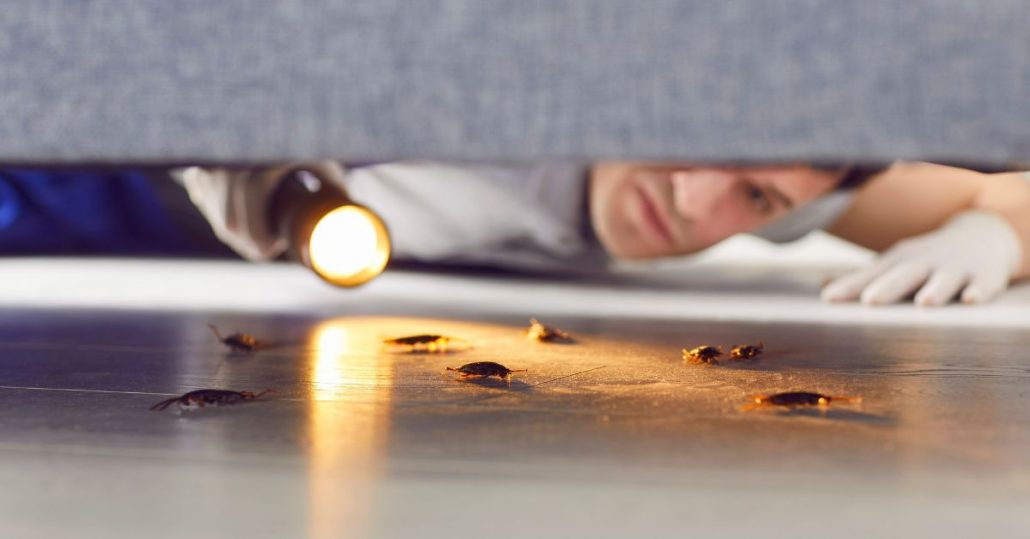
The most obvious sign is increased pest sightings throughout your property. While an initial surge during the first one to two weeks after treatment is normal – called the “flush-out” period – sustained or growing numbers of live ants, cockroaches, or spiders weeks later indicates weakening protection. Pay attention to specific pest behaviour patterns, as some species become more active when treatments begin losing potency. Fresh activity in previously cleared areas is particularly concerning.
What exactly does this increased activity look like in practice?
Small, dark droppings resembling coffee grounds or black pepper in cupboards, along baseboards, or under sinks clearly indicate renewed pest activity. Cockroach droppings are typically cylindrical and ridged, while rodent pellets are smaller and more rounded. Fresh droppings suggest active populations rather than leftover evidence from previous infestations. The location of these droppings often reveals pest travel routes and preferred harborage areas, helping you assess the extent of returning activity.
New property damage provides concrete evidence of pest resurgence. Rodents leave distinctive gnaw marks on wood, wiring, and insulation as they forage and build nests. Fabric pests create holes in clothing, upholstery, and carpets. Termites produce hollow-sounding wood or visible mud tubes along structures. Any unexplained damage to your property warrants immediate investigation, as continuing destruction can lead to expensive repairs and safety hazards.
Unexplained odours or sounds often signal hidden pest activity before you see physical evidence. A musty, oily smell typically indicates cockroach infestations, while strong, rotting odours might suggest dead rodents within walls or crawl spaces. Persistent scratching, scurrying, or gnawing sounds – particularly at night when many pests are most active – commonly indicate rodent activity in walls or ceiling spaces. These sensory clues shouldn’t be ignored, as they often precede visible infestations.
Discovering new spider webs in previously treated areas, small dirt mounds from ant colonies, or shredded materials used for rodent nests shows that pests are actively re-establishing territories. Ants create distinctive trails and satellite colonies, while rodents collect paper, fabric, and insulation for nesting. Fresh nesting activity indicates that protective barriers no longer deter reproduction and colony expansion, requiring immediate professional attention.
Are you or your family members experiencing unexplained bites or stings?
New bite marks, rashes, or stings on family members can indicate the return of biting pests like fleas, bed bugs, or mosquitoes. Bed bug bites often appear in linear patterns on exposed skin, while flea bites typically concentrate around ankles and lower legs. Check pets regularly for signs of flea infestation, as they’re often the first to show symptoms. Persistent skin reactions warrant professional inspection, especially if they occur in sleeping areas.
For properties with termite concerns, visible mud tubes on exterior walls or wooden structures represent definitive signs of active infestation. These protective tunnels allow termites to travel between soil and food sources while maintaining necessary moisture levels. Similarly, fine wood dust called frass near wooden furniture or structures indicates wood-boring insect activity. Both signs require immediate professional assessment, as structural damage can occur rapidly once these pests establish themselves.
Sun Dry Carpet Cleaning: Your Partner in Ongoing Pest Management
When you notice signs that your pest control is wearing off, quick action prevents minor problems from becoming major infestations. Sun Dry Carpet Cleaning has served Brisbane families for over 35 years, combining comprehensive pest control solutions with professional carpet cleaning services to address the complete picture of home hygiene.
Our integrated approach recognises that carpets and soft furnishings often harbour pest eggs and provide hiding places that traditional treatments might miss. By combining targeted pest control with deep carpet cleaning, we eliminate both active infestations and potential breeding grounds. This dual-action method extends treatment effectiveness while maintaining the cleanliness that prevents future pest problems.
What sets Sun Dry apart is our unique self-heating carpet cleaning system that doesn’t use your home’s electricity, coupled with faster drying times that minimise disruption to your daily routine. Our experienced technicians understand Brisbane’s specific pest challenges and climate conditions, allowing us to tailor treatments for maximum longevity. We offer both proactive maintenance programs and reactive solutions, providing convenient single-source service for all your pest control and cleaning needs. This comprehensive approach ensures that when we ask “how long does pest control last,” we can confidently provide longer-lasting protection through our integrated methodology.
Understanding pest control longevity is essential for maintaining a pest-free environment in your Brisbane home or business. While professional treatments provide excellent initial protection, they naturally diminish over time due to pest reproduction cycles, environmental factors, and the biodegradable nature of modern chemical compounds.
By recognising these seven key warning signs – from increased pest sightings and fresh droppings to property damage and unusual odours – you can take proactive action before minor issues escalate into costly infestations. Regular monitoring and timely professional intervention protect both your property’s structural integrity and your family’s health and comfort.
The question “how long does pest control last” doesn’t have a simple answer, but staying vigilant for these indicators ensures you’ll know exactly when it’s time for retreatment. Investing in routine professional pest management, combined with proper sanitation practices, provides the best long-term protection against unwanted guests. With the right knowledge and professional support, you can maintain a safe, comfortable, pest-free environment year-round.