Interior Car Cleaning Tips for a Fresher Drive
That moment when someone steps into your car and you notice the smell of old coffee, damp towels and lingering takeaway is never pleasant. In Brisbane’s warm climate, vehicles quickly collect dust, sand, food crumbs and bacteria that settle deep into seats and carpets. Research has shown that car interiors can harbour significant levels of germs, particularly on steering wheels and cup holders. Simple wipes and supermarket sprays may improve appearance for a day, yet they rarely address what sits beneath the surface. Following the right interior car cleaning tips makes the difference between a quick tidy and a genuinely fresh drive.
Why proper interior cleaning matters
A vehicle interior functions much like a compact lounge room. Fabric seats, carpets and roof linings trap airborne particles, moisture and odours over time. Each time the door closes, those particles circulate within a confined space. Dust mites, mould spores and bacteria can multiply in warm, humid conditions, particularly if spills are left untreated. Effective interior car cleaning tips focus on removing this embedded contamination rather than masking it.
Cleaner surfaces contribute to improved air quality and a more comfortable driving environment. High touch areas such as steering wheels, gear selectors and seat belt buckles collect oils and grime that build gradually. Regular attention to these areas reduces odours and maintains a hygienic interior. For families, ride share drivers and commuters who spend long hours on the road, maintaining a clean cabin is both a health and comfort priority.
Essential tools and products for effective results
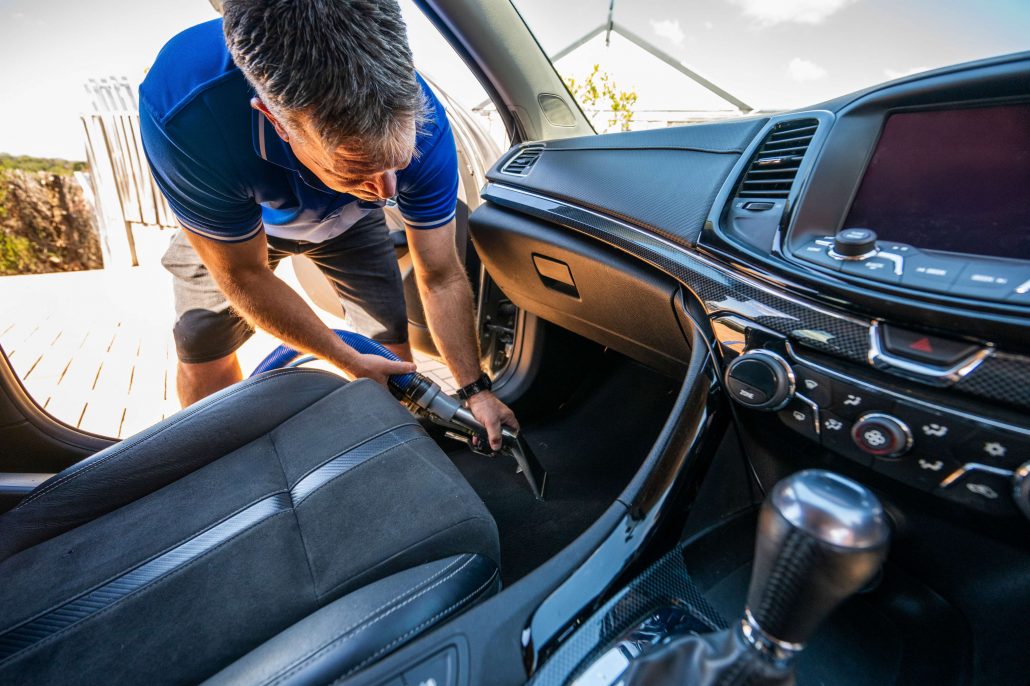
Before starting, gather the correct tools. A strong vacuum with a crevice attachment allows access to tight seams and under seats. Soft detailing brushes help dislodge dust from vents and controls. Keep several clean microfibre cloths on hand, reserving specific cloths for glass to avoid streaking. Spray bottles provide better control over cleaning solutions and prevent oversaturation.
Use products suited to each material. A pH neutral cleaner works well for plastics and vinyl. Upholstery cleaners designed for automotive fabrics are best for seats and carpets. Leather requires a dedicated cleaner followed by a conditioner to maintain flexibility. Choose an ammonia free glass cleaner for windows and touch screens. Avoid harsh household chemicals, bleach and abrasive products, as these can damage trim and protective coatings.
The step by step method professionals follow
Professional detailers rely on a clear order of work. Begin by removing all loose items and emptying compartments. Take out floor mats and vacuum from the top down, starting with seats before moving to carpets. This prevents dust from resettling on cleaned surfaces.
Apply cleaning solutions to a cloth rather than directly onto dashboards or controls. This reduces the risk of liquid entering electronic components. Focus on high contact points and allow the cleaner to dwell briefly before wiping dry. For fabric seats, treat stains individually before cleaning larger sections. Use short, gentle strokes and blot rather than scrub aggressively.
Finish with glass and mirrors last. Wipe with one cloth to spread cleaner, then buff with a second dry cloth for a clear finish. This method minimises streaks and leaves windows sparkling.
Caring for fabric, leather and trim surfaces
Fabric seats benefit from light application and thorough extraction of moisture. Excess water can lead to lingering damp smells in Brisbane conditions. Leave windows open for airflow after cleaning. Regular vacuuming prevents grit from wearing down fibres.
Leather interiors require a two step approach. Clean gently to remove surface oils, then apply a small amount of conditioner to maintain softness and prevent cracking. Buff lightly so the finish remains natural rather than glossy. Proper leather care extends the life of expensive seating and preserves resale value.
Plastic and vinyl trims respond well to gentle cleaning followed by a light protectant that guards against sun damage. A subtle satin finish looks cleaner than a high shine surface and reduces glare while driving.
Maintaining freshness between deep cleans
Consistency is key. A quick weekly vacuum and rubbish removal stops build up from becoming overwhelming. Keep a microfibre cloth in the glove box for immediate attention to spills. Use quality floor mats to capture sand and mud before they reach the carpet.
Despite following the best interior car cleaning tips, some issues require professional attention. Persistent odours, deep stains and heavy soil often need advanced extraction methods. Companies such as Sun Dry Carpet Cleaning apply similar fabric care principles in homes across Brisbane, using specialised equipment and fast drying processes. Their experience in upholstery and carpet care reflects the same attention to material specific cleaning that benefits vehicle interiors.
A fresher drive begins with structured habits and the right approach. By using suitable tools, respecting different surfaces and maintaining regular upkeep, your car interior can remain clean, comfortable and inviting throughout the year.