How to Store a Rug Long Term Without Damage
Storing a rug for an extended period may seem straightforward, but improper handling can lead to mould, pest infestations, or permanent creases. Whether you’re renovating, relocating, or simply rotating your decor, learning how to store a rug long term ensures it stays in excellent condition until you’re ready to use it again.
Preparing a Rug for Storage
Before you even think about rolling it up, your rug needs a thorough clean. Any dirt, food particles, or moisture trapped in the fibres can lead to stains, mildew, or even attract pests.
- Vacuum Both Sides: Use a vacuum cleaner with gentle suction to remove dust and debris from both the front and back.
- Professional Cleaning: For expensive or antique rugs, it’s highly recommended to have the rug professionally cleaned to remove embedded dirt and bacteria that can degrade fibres over time.
- Ensure the Rug is Fully Dry: Moisture is a leading cause of rug damage during storage. After cleaning, allow the rug to dry completely—preferably in a well-ventilated area—for at least 24–48 hours before rolling it up.
Choosing the Right Storage Materials
Using the wrong materials when wrapping or covering a rug can trap moisture or restrict airflow, resulting in long-term damage.
- Avoid Plastic Wrap: Plastic sheeting may seem protective, but it traps moisture and creates the perfect breeding ground for mould and mildew.
- Use a Breathable Fabric Wrap: Acid-free paper, muslin, or cotton sheets are ideal for wrapping rugs. These materials allow air to circulate while keeping dust and dirt out.
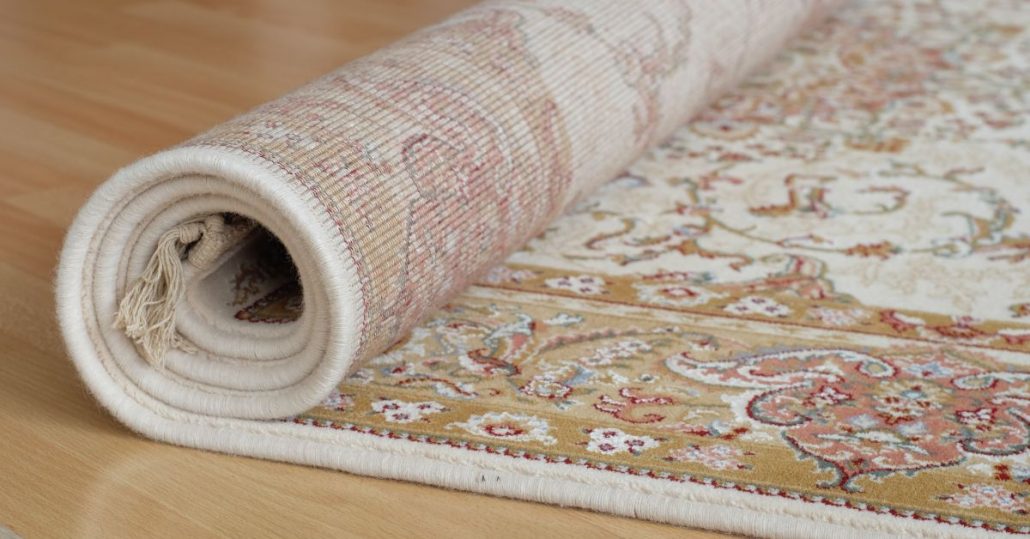
- Roll, Don’t Fold: Always roll your rug (with the pile facing inward) rather than folding it, as folds can cause permanent creases. Secure the roll with cotton ties or soft rope to hold it in place.
- Use a Storage Tube for Valuable Rugs: If you’re storing a high-value rug, consider placing it inside an archival storage tube for extra protection against pests and crushing.
Ideal Storage Conditions for Long-Term Preservation
Where and how you store your rug plays a significant role in maintaining its condition over the months—or years.
- Store in a Cool, Dry Place: Avoid basements, garages, or sheds, which tend to be humid and prone to pests. Instead, choose a climate-controlled environment like a spare room or storage facility.
- Control Humidity and Temperature: Excess humidity can encourage mould growth, while extreme heat can make fibres brittle. Aim for a stable environment with 40–60% relative humidity and moderate temperatures.
- Elevate the Rug Off the Floor: Keep the rug elevated on a shelf or storage rack to prevent it from absorbing moisture from the ground.
- Pest Prevention Measures: Use mothballs or cedar chips around (not directly on) the rug to deter insects. Ensure the space is regularly inspected for pests, especially if storing rugs for a year or longer.
Inspect Periodically
Even when everything is done correctly, it’s smart to check your stored rug every few months. Look for any signs of pests, moisture, or odours, and re-roll or adjust the rug if necessary to prevent permanent compression marks.