Simple Steps to Remove Oil Stains from Carpet
Oil-based spills—whether from cooking oil, grease, or salad dressing—can be among the most challenging stains to tackle on carpeting. Unlike water-soluble messes, oil tends to cling to fibres, making it harder to lift away. Delaying treatment can cause the stain to set in, permanently affecting your carpet’s texture and appearance. In this guide, you’ll learn simple, effective methods to remove oil stains, plus tips for handling stubborn marks and deciding when to call in professional cleaners.
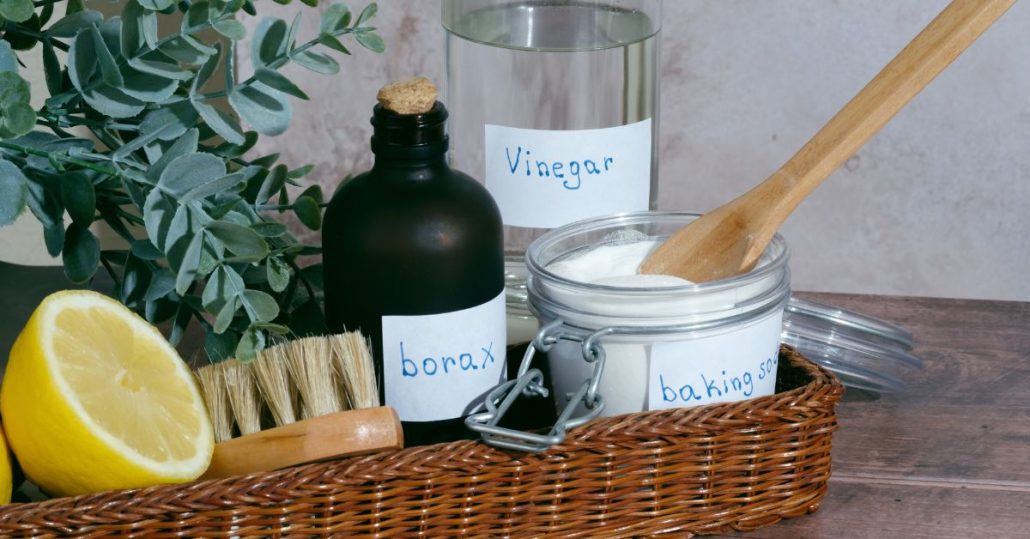
Materials You’ll Need
Before you start, gather the following items to streamline your cleaning process:
- Dish Soap (Preferably Liquid)
- Choose a mild, grease-cutting formula. Avoid strong bleaches or harsh chemicals that may discolour your carpet.
- Baking Soda or Cornstarch
- Both can absorb oil before it penetrates deeper into the fibres.
- Clean White Cloths or Paper Towels
- Coloured or patterned cloths risk transferring dye onto your carpet.
- White Vinegar (Optional)
- An excellent deodoriser and mild cleaning agent to dissolve lingering oil residue.
- Warm Water
- Lukewarm water aids in breaking down oil-based stains.
Step-by-Step Guide to Removing Oil Stains
- Blot the Excess Oil
- Use a clean cloth or paper towel to gently blot—not rub—the oil stain. Rubbing can push the oil deeper into the carpet fibres. Continue blotting until no more oil transfers onto the towel.
- Apply an Absorbent (Baking Soda or Cornstarch)
- Liberally sprinkle baking soda (or cornstarch) over the stain.
- Let it sit for at least 15 minutes (or up to an hour for heavier stains). The powder helps soak up residual oil.
- Vacuum the Residue
- After the baking soda absorbs the oil, vacuum the area thoroughly. Go over the spot a few times to remove all the powder and clumped oil.
- Create a Soapy Mixture
- Mix a few drops of dish soap in a small bowl of warm water. Stir to produce a mild, sudsy solution.
- Dab the Stain with Soapy Solution
- Using a clean white cloth, dip it into the soapy mixture.
- Gently blot the stain, working from the outside towards the centre to avoid spreading.
- If needed, follow up with a few dabs of white vinegar diluted in water to neutralise odours or further break down oil.
- Blot and Rinse
- Use another clean cloth soaked in plain warm water to rinse away the soap and vinegar residue.
- Continue blotting until no soapy residue remains on the carpet. Excess detergent left behind can attract more dirt over time.
- Dry the Area
- Pat the spot with a clean, dry towel to remove as much moisture as possible.
- Consider placing a fan nearby or opening windows to speed up the drying process.
Tips for Stubborn Oil Stains
- Repeat If Necessary
- Some oil stains, especially older or set-in marks, need multiple cleaning rounds. Persistence can pay off in restoring your carpet’s appearance.
- Use Commercial Degreasers
- If common household supplies fail, specialty degreasing sprays or carpet cleaners are available. Always test on a small, hidden area of the carpet first to check for discolouration.
- When to Call Professionals
- Large, deeply set oil stains—like motor oil or industrial grease—may require professional carpet cleaners. They have heavy-duty equipment and advanced solvents for challenging spills.
Now you know how to remove oil stains from carpet effectively using everyday items like baking soda, dish soap, and white vinegar. Prompt action is the key—blotting the spill, absorbing the excess oil, and cleaning thoroughly all help prevent permanent damage to your carpet fibres. For tougher, ingrained stains, don’t hesitate to repeat the process or seek professional assistance. With the right approach and a bit of patience, you can reclaim a fresh, stain-free carpet that looks (and smells) as good as new.