How Long Should You Wait for Your Carpet to Dry After Cleaning?
A freshly cleaned carpet not only looks revitalised but also feels better underfoot and promotes a healthier indoor environment. However, proper drying is crucial to avoid potential issues like mould, mildew, or re-soiling from foot traffic on damp fibres. Different cleaning methods, environmental factors, and carpet materials can all influence drying times. Below, we’ll compare typical drying durations across cleaning techniques, explore the main factors at play, and share tips to help you get back on your carpet sooner.
Typical Drying Times by Cleaning Method
- Steam Cleaning (Hot Water Extraction)
- Drying Window: 8 to 24 hours under normal conditions.
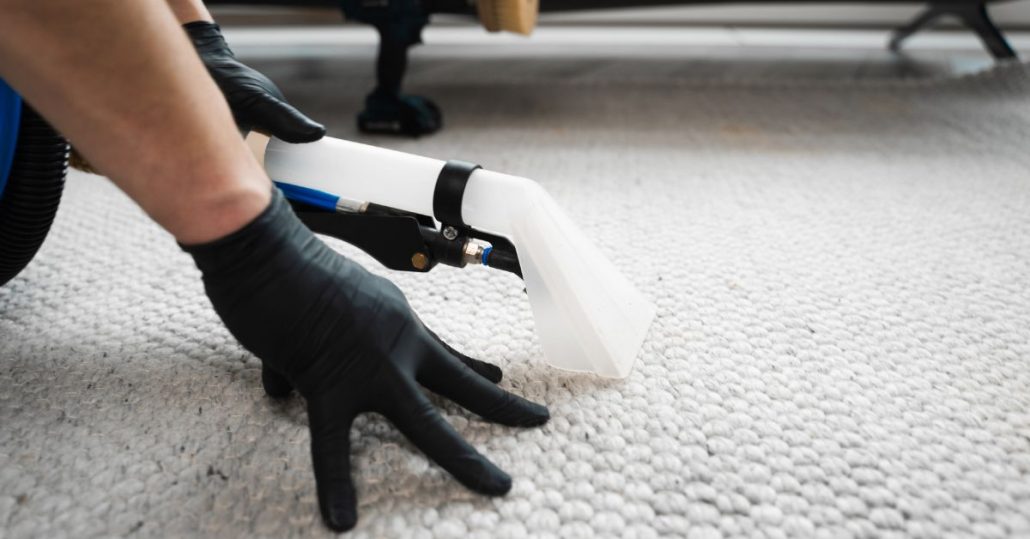
- Why: Steam cleaning injects hot water and cleaning solution deep into carpet fibres, then extracts it. While most moisture is pulled out, some remains beneath the surface, necessitating a longer drying period.
- Dry Cleaning (Bonnet or Compound Cleaning)
- Drying Window: 1 to 4 hours.
- Why: This method uses minimal moisture. Absorbent compounds or cleaning pads remove dirt with far less water than steam cleaning, resulting in faster drying times, though deep stains may require repeated treatments.
- Encapsulation
- Drying Window: 1 to 2 hours on average.
- Why: Encapsulation relies on special polymers that surround and crystallise dirt particles, which are then vacuumed away once dry. The process uses little water, making it ideal for commercial settings requiring quick turnaround.
Factors That Affect Drying Time
- Temperature and Humidity
- Warm, Dry Air: Hot, arid climates or heated indoor environments speed up evaporation, cutting drying times significantly.
- High Humidity: In moist air, water from the carpet evaporates more slowly, leading to extended drying periods.
- Carpet Fibre and Pile
- Synthetic vs. Natural: Synthetic fibres (like nylon) often dry faster than dense wool carpets, which can trap moisture longer.
- Pile Depth: Shag or plush carpets have longer fibres that retain moisture; thinner weaves dry more quickly.
- Ventilation
- Airflow: Rooms with open windows, active fans, or HVAC systems running in “vent” mode can drastically reduce drying duration.
- Enclosed Spaces: Little to no ventilation leads to stagnant air, slowing moisture removal.
- Cleaning Technique and Equipment
- Extraction Power: Modern or well-maintained machines may remove more water initially, leading to shorter residual drying periods.
- Operator Skill: Over-wetting the carpet can extend dry times, so experienced technicians aim for balanced moisture application and thorough extraction.
Tips to Speed Up Carpet Drying
- Use Fans or Air Movers
- Circulate Air: Box fans, ceiling fans, or specialized carpet blowers can channel a steady breeze across damp surfaces, boosting evaporation.
- Open Windows or Run the AC
- Ventilate: On warm, dry days, open windows to exchange humid indoor air for drier outdoor air. In humid or cold conditions, turn on the air conditioner or dehumidifier to remove excess moisture from the environment.
- Check Heating
- Boost Temperature: Slightly increasing room temperature encourages faster evaporation—just ensure not to overheat the room, which may damage some carpet materials.
- Avoid Walking on Damp Carpets
- Prevent Re-Soiling: Stepping on wet fibres can compress them and introduce more dirt. If you must walk, use clean socks or place towels in high-traffic areas.
- Schedule Cleaning Strategically
- Pick Optimal Times: Plan carpet cleaning during drier seasons or at times when you can leave windows open. If using professional services, ask about quick-dry methods or specialized fans.
How long after carpet cleaning to dry? The answer depends on factors like cleaning method, carpet material, ambient humidity, and airflow. Steam-cleaned carpets typically require 8–24 hours to dry fully, while dry cleaning or encapsulation can see floors ready within 1–4 hours. Regardless of the method, ensuring good ventilation, maintaining moderate indoor temperatures, and limiting foot traffic on damp fibres all help speed up drying times. By embracing these strategies—whether you opt for professional services or a do-it-yourself approach—you’ll preserve your carpet’s freshness, protect it from mould risks, and extend its overall life for years to come.