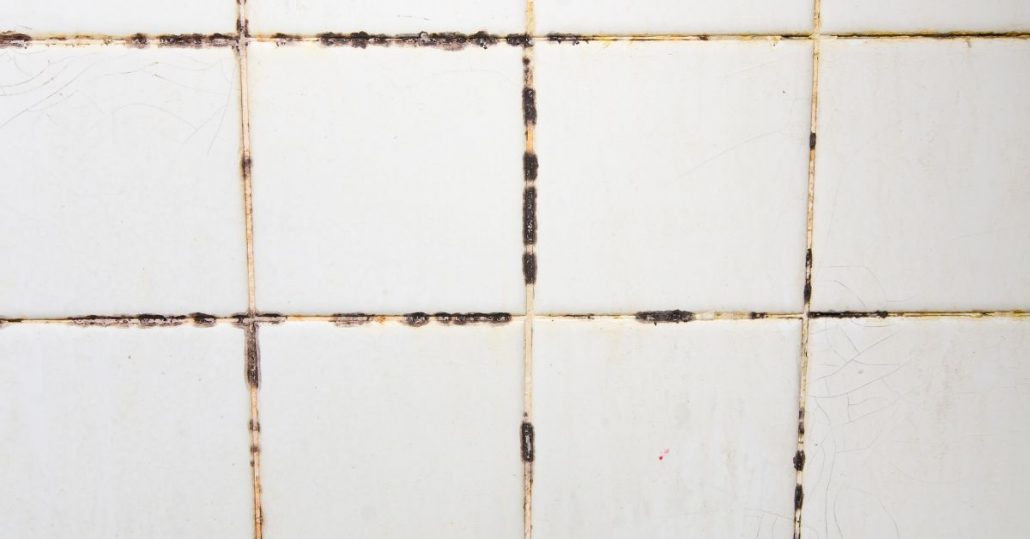
Effective Ways to Remove Mould from Bathroom Grout
Mould growth in bathroom grout is more than just an eyesore — it can lead to significant health issues and long-term damage to your home. While mould thrives in damp, poorly ventilated spaces, grout is particularly vulnerable due to its porous nature. Understanding how to address mould effectively is crucial, especially when considering whether a DIY approach is worth the risk or if it’s time to bring in professionals.
Materials Commonly Used to Remove Mould
Most DIY guides recommend using common household items to tackle mould. These include:
- White vinegar – Known for its natural antifungal properties.
- Baking soda – Often used as a mild abrasive cleaner.
- Hydrogen peroxide – Used for its disinfecting qualities.
- Toothbrush or grout brush – For scrubbing grout lines.
While these materials may help reduce surface mould in the short term, they don’t always penetrate deep enough to eliminate spores fully. This means mould often returns, sometimes more aggressively.
Step-by-Step Guide to Mould Removal (With a Caution)
- Ensure ventilation: Open windows and doors or use an exhaust fan to avoid inhaling spores.
- Apply cleaner: Spray vinegar or hydrogen peroxide directly onto affected grout and let it sit for 10–15 minutes.
- Scrub thoroughly: Use a stiff-bristled brush to scrub the grout lines.
- Rinse and dry: Rinse with warm water and pat dry with a towel.
However, these steps are often insufficient for severe or recurring mould infestations. Deep-set spores may remain in the grout, requiring professional equipment and antifungal treatments to fully eliminate the risk.
Why DIY Mould Removal Isn’t Always Enough
Even with the best intentions, DIY methods frequently fail to solve the root of the mould problem. Surface-level cleaning can make grout appear clean temporarily, but spores embedded deep within grout and tile pores are likely to regrow, especially in Brisbane’s humid climate. Additionally, harsh scrubbing or incorrect product use can permanently damage grout, leading to costly repairs.
Preventing Mould Regrowth in Bathroom Grout
After initial removal (or better yet, after a professional clean), focus on long-term prevention:
- Improve ventilation: Install an exhaust fan or open windows regularly.
- Seal the grout: A quality grout sealer can prevent moisture penetration.
- Use mould-resistant cleaners: Regular maintenance with mould-inhibiting products can stop growth before it starts.
- Wipe surfaces dry: After showers, wipe down tiles and grout to eliminate excess moisture.
When to Call in the Professionals
If you notice black mould patches reappearing regularly, musty odours, or if the affected area spans multiple surfaces, it’s time to call in experts like Sundry Carpet Cleaning. We use industrial-grade antifungal treatments and commercial cleaning equipment to ensure that every spore is removed — not just masked. Our team also assesses the root cause of the mould and provides advice to keep your bathroom grout mould-free long term.
Professional bathroom mould removal ensures your health, protects your home, and prevents the cycle of regrowth that many DIY methods fail to address. Save time, avoid risk, and get the job done right the first time by booking a professional mould removal service.